Whimsical Coquette Canva Frame: A Designer's Practical Guide
There’s a particular challenge in digital design that many of us face: how to create something that feels personal, textured, and finished when our tools are entirely digital. We crave the warmth of a hand-drawn sketch or the subtle imperfection of a vintage print, but we’re working within the crisp, pixel-perfect world of Canva. This is where a tool like the Whimsical Coquette Canva Frame becomes less of a simple asset and more of a creative bridge. It’s not just a decorative border; it’s a digital template designed to inject a specific personality—playful, elegant, and slightly nostalgic—directly into your workflow.
Understanding the Digital Frame as a Design Asset
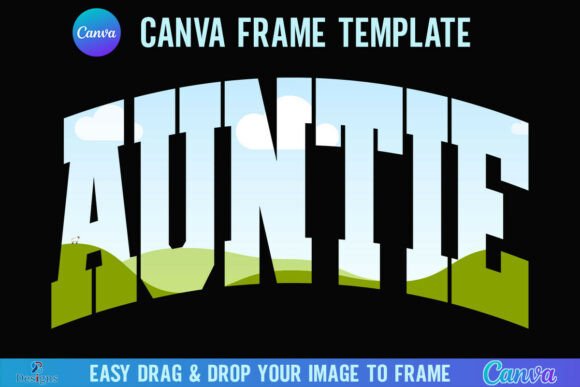
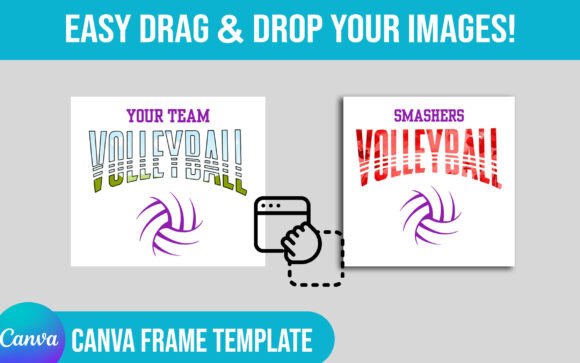
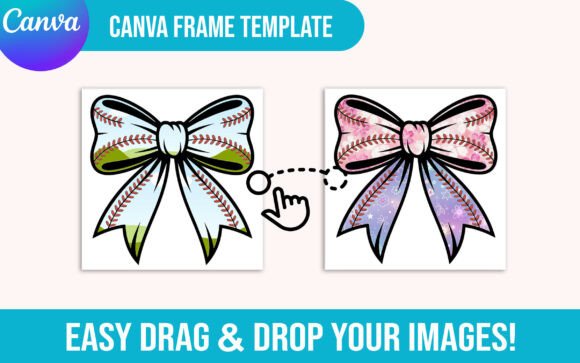
First, let’s clarify what this is, because the terminology matters. This is a premium font in the sense that it’s a curated, commercial font asset, but it’s specifically an editable Canva frame template. You receive a single PDF containing a link to a custom-made template within Canva. The actual file is a 2000x2000 pixel canvas with a transparent layer. This isn’t a static PNG or SVG file you place on top of your work. Instead, it’s a live, editable environment. You drag your own images, text, or graphics into the frame, and they automatically conform to its whimsical, coquette-inspired shape. Think of it as a digital die-cut or a stencil for your digital collage.
The visual personality of the Whimsical Coquette frame leans into a romantic, feminine aesthetic without being saccharine. It often features soft, organic curves, perhaps mimicking torn paper edges, delicate floral silhouettes, or flowing, ribbon-like forms. The appeal lies in its ability to add instant character and a sense of handcrafted care to a project. It solves the “blank canvas” problem by providing a structured yet artistic starting point. For a small business owner creating social media graphics, this frame can instantly elevate a product photo, making it feel more styled and intentional. For a blogger, it can frame a quote or a key piece of text, drawing the reader’s eye in a gentle, engaging way.
Where This Style Truly Shines: Application and Context
The strength of the Whimsical Coquette Canva Frame is in its versatility across projects that need a touch of human warmth and curated charm. It’s a creative font asset that excels in specific contexts.
In brand identity work, especially for lifestyle brands, boutiques, florists, artisan bakeries, or wedding planners, this frame can become a consistent visual element. Using it to frame product shots on Instagram or to border testimonial graphics creates a recognizable, cohesive look that whispers of care and aesthetics. It’s a subtle tool for brand perception, helping to communicate a brand’s personality—approachable, artistic, and detail-oriented—through consistent visual language.
For editorial design and packaging design, its utility is clear. Imagine using it to create a standout feature image for a blog post about a new recipe or a DIY project. The frame draws the reader in, making the content feel special. In packaging, it could be used to design a beautiful, framed label for a candle or a jar of artisanal jam, adding a layer of perceived value and charm. The transparent layer makes it ideal for vinyl sublimation and print projects, allowing the background of your product or material to show through the frame’s cut-out areas.
On social media graphics, where attention is fleeting, this frame provides an immediate point of visual interest. It helps create visual hierarchy without relying solely on bold sans serif font headlines. A photo placed within the frame becomes the focal point, and the frame itself acts as a soft border that separates your content from the noisy feed. It’s practical for creating cohesive Instagram Story highlights, Pinterest pins, or Facebook cover images that stand out with a touch of elegance.
Making It Work: Practical Guidance for Your Projects
Adopting a new design asset requires a bit of thoughtful integration. Here’s how to approach the Whimsical Coquette Canva Frame effectively.
Evaluate the Fit: Before you start, ask if the frame’s personality aligns with your project’s goals. It’s perfect for projects that aim to feel personal, romantic, vintage-inspired, or artisanal. It might be less suitable for a corporate financial report or a tech startup’s minimalist app interface. The frame has a strong voice; ensure it harmonizes with your overall modern typography and color palette.
Test Font Pairings: This is crucial. A decorative frame often pairs best with cleaner, more neutral typefaces to maintain readability and balance. Try placing a classic serif font for body text within the frame, or use a simple, geometric sans serif font for headings outside of it. Avoid pairing it with another highly decorative script font or handwritten font, as this can create visual clutter and hurt readability. The frame is the star; your typography should support it, not compete with it.
Leverage the Editable Nature: Remember, you can scale the 2000x2000 px template up or down in Canva. Don’t feel constrained by the initial size. You can also adjust the colors of the frame elements if they are separate layers within the template, allowing you to match it perfectly to your brand’s color scheme. Experiment with placing different textures or patterns inside the frame to see how they interact with the whimsical border.
Consider Commercial Use: As this is a digital asset, reviewing the specific licensing terms provided with your purchase is essential. Typically, such templates are licensed for both personal and commercial use, allowing you to incorporate them into client work, products for sale, and marketing materials. However, you cannot resell the template itself as a standalone file. This makes it a valuable addition to your design assets library for creating client deliverables.
Ultimately, the Whimsical Coquette Canva Frame is a practical solution for a common design need. It’s a tool that helps bridge the gap between a generic digital layout and a crafted, intentional piece of visual communication. By understanding its character and applying it with purpose, you can add a layer of sophistication and warmth to your work that resonates with an audience seeking authenticity and beauty in the details.