The Ultimate Home Buying Planner: Your Canva Blueprint for Success
The journey to homeownership is often romanticized, but the reality involves a mountain of paperwork, emotional highs and lows, and a checklist that seems to grow by the hour. Whether you are a first-time buyer or a seasoned real estate investor, the sheer volume of data—comparative market analyses, inspection reports, utility estimates, and contact lists—can quickly become overwhelming. This is where structure becomes your greatest asset. Instead of scribbling notes on loose paper or managing a chaotic spreadsheet, imagine having a cohesive, visually organized system that guides you from the initial dream phase to the moment you turn the key in the lock.
Visualizing Your Path to Ownership
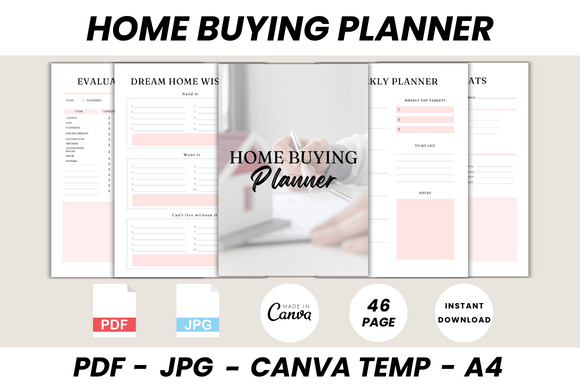
The Home Buying Planner Canva Template is designed not just as a collection of pages, but as a comprehensive management tool for one of life’s biggest investments. Visual consistency is crucial when you are dealing with complex data. This template utilizes a clean, modern layout that prioritizes readability and organization. The visual style avoids clutter, focusing instead on ample white space and intuitive sectioning. This approach aligns with modern graphic design principles where the hierarchy of information guides the eye naturally. It isn’t just about looking good; it’s about reducing cognitive load so you can make clear-headed decisions.
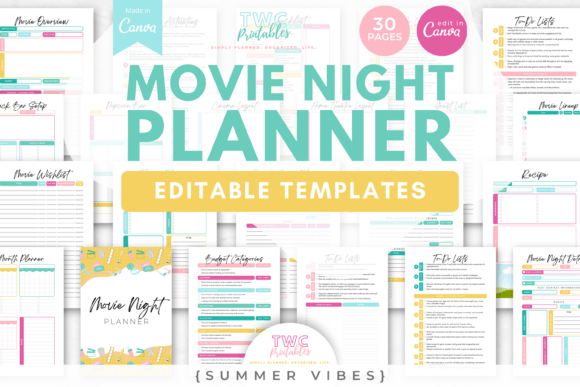
With 46 printable pages, the aesthetic is cohesive throughout, ensuring that your "Dream Home Wishlist" feels connected to your "Expenses Log." This consistency is vital for maintaining a professional mindset throughout the buying process. The design acts as a neutral canvas—clean enough to be professional, yet warm enough to feel personal. It bridges the gap between a sterile spreadsheet and a chaotic scrapbook, offering a premium user experience that makes the administrative side of buying a home feel manageable and even exciting.
Practical Application: Beyond the Basics
What sets this design asset apart is its depth. Many planners stop at a simple checklist. This template, however, dives deep into the specifics of real estate evaluation. Consider the House Scorecard and the Evaluation Sheet (which includes nine different pages). These tools allow you to objectively compare properties. When you are viewing multiple homes in a single weekend, details blur together. By utilizing a structured scoring system, you move from emotional reaction to data-driven decision-making.
Furthermore, the inclusion of a Decision Maker page acknowledges the psychological weight of buying a home. It provides a framework to weigh pros and cons logically. For the creative professional or entrepreneur, this template also acknowledges the branding aspect of your life. The Belongs To page and the editable nature of the files allow you to infuse your own personality into the document. You can adjust the typography to match your personal brand identity, turning a functional tool into a keepsake of your journey.
Streamlining Communication and Logistics
Real estate is a team sport involving agents, lenders, inspectors, and lawyers. The Contact List pages ensure that you have everyone’s details at your fingertips, reducing friction when you need to make a quick call. Similarly, the Walkthrough Checklist is an essential tool for open houses. It prompts you to look for specific details—plumbing, electrical, structural integrity—that you might otherwise miss in the excitement of viewing a potential home.
The planner also addresses the often-overlooked "after" phase. The Moving Day Planner, Moving Box Inventory, and Utility Bills trackers ensure that the transition into your new home is as organized as the search itself. This holistic approach is what defines a high-quality template. It anticipates the user's needs before they arise, offering solutions for problems like tracking renovation costs or logging debt payments, which are common during the home-buying process.
Customization with Canva
One of the most significant advantages of this system is its accessibility through Canva. You do not need to be a graphic designer or own expensive software like Adobe InDesign to customize this planner. Canva is a free-to-use online tool that democratizes design. This means you can take the provided editable files and tailor them to your exact specifications.
Want to change the color scheme to match your favorite stationery? You can do that. Need to adjust the font size for better readability on a printed page? It’s simple. This level of customization ensures that the tool works for you, not the other way around. It transforms a static PDF into a dynamic digital asset. You can edit it on your laptop during a lunch break or update it on your tablet while touring a property. This flexibility is crucial for busy professionals who need their tools to be as mobile and adaptable as they are.
Design Versatility and File Management
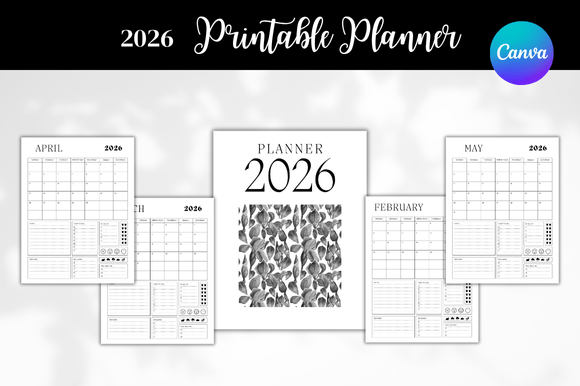
The template includes a variety of page types to suit different planning styles. From Monthly, Weekly, and Daily planners to specific tools like the Bucket List and Vision Board, it caters to both the logistical and aspirational aspects of homeownership. The Vision Board page is particularly useful for mapping out interior design ideas or renovation goals, helping you see the potential in a fixer-upper.
For those who appreciate organization, the House Stats pages (four different layouts) provide a place to record the hard numbers: square footage, lot size, year built, and price per square foot. This data is invaluable when negotiating offers. Meanwhile, the Renovation Plans and Upgrades sections allow you to budget and plan for future improvements, ensuring you don't overcapitalize on a property.
Why This Planner Fits Your Lifestyle
Ultimately, the Home Buying Planner Canva Template is more than just a collection of printable pages. It is a strategic partner in your property search. It acknowledges that buying a home is a complex project that requires the same level of planning and attention to detail as a major business launch or a creative campaign. By providing a structured, aesthetically pleasing, and highly functional framework, it empowers you to navigate the real estate market with confidence and clarity.
Whether you are using it to track expenses, evaluate house scores, or simply keep your contact list organized, this template adapts to your needs. It is a testament to how good design can simplify complexity, turning the daunting task of buying a home into a series of manageable, well-organized steps. With this planner in hand, you are not just buying a house; you are managing a project with the precision of a professional.